
Japanese recycling bins are more than just containers; they’re meticulously designed expressions of cultural aesthetics. From the subtle harmony of wabi-sabi to the practical considerations of waste segregation, these bins reflect a deep-seated respect for the environment and a commitment to visual harmony within the urban landscape. Their design, often incorporating minimalist forms and subtle color palettes, seamlessly integrates into the surrounding environment, making recycling an effortless and aesthetically pleasing act.
This exploration delves into the core principles of Japanese aesthetics, examining how they translate into the design of recycling bins. We’ll analyze the materials, colors, and shapes frequently employed, while also discussing the practical considerations of functionality and capacity. Furthermore, we’ll compare these designs to those found in other countries, highlighting the cultural context that shapes the aesthetics of waste management solutions.
Japanese Aesthetics in General
Japanese aesthetics, deeply rooted in centuries of cultural and philosophical traditions, prioritize harmony, simplicity, and a profound appreciation for the natural world. This ethos permeates various aspects of daily life, from meticulously crafted gardens to the minimalist design of everyday objects. A key concept, wabi-sabi, embraces the beauty of imperfection, impermanence, and natural processes.This profound aesthetic sensibility isn’t merely a decorative style; it’s a philosophy that influences how Japanese people interact with their surroundings and the objects they use.
This is particularly evident in the design of containers, which often reflect a harmonious balance between function and form. The principles of wabi-sabi, simplicity, and harmony inform other Japanese design elements like architecture, clothing, and even the arrangement of tea ceremonies.
Core Principles of Japanese Aesthetics
The core principles of Japanese aesthetics are often intertwined and contribute to a holistic understanding of beauty. Wabi-sabi, a philosophy embracing the beauty of imperfection and impermanence, often manifests in the subtle variations in natural materials. Simplicity, often expressed through minimalism and a focus on essential forms, is another cornerstone. Harmony, achieved through balanced proportions and the integration of natural elements, emphasizes a connection between the object and its environment.
Reflection in Everyday Objects (Including Containers)
Japanese containers, from teapots to storage boxes, frequently embody these principles. A tea caddy, for instance, might be crafted from simple, natural materials like wood or bamboo, showcasing the beauty of imperfection. Its design emphasizes functionality, with a focus on the inherent qualities of the material. The container’s form often reflects the season or the contents it holds, highlighting the natural cycle of life and the transient nature of things.
This approach to design transcends mere aesthetics, connecting the object to its surroundings and to the principles of wabi-sabi.
Influence on Other Design Elements
The influence of these aesthetic principles extends beyond containers to encompass a wider range of design elements. Japanese gardens, with their carefully placed rocks and meticulously pruned trees, epitomize harmony and the appreciation for natural beauty. Traditional Japanese architecture, characterized by its minimalist use of materials and integration with the surrounding landscape, demonstrates a deep respect for nature’s rhythms.
Even in clothing, a preference for understated elegance and the use of natural dyes and fabrics reflect the pursuit of simplicity and harmony.
Cultural Context and Historical Influences
Japanese aesthetics are deeply rooted in the country’s rich history and cultural heritage. The influence of Buddhism, with its emphasis on impermanence and the interconnectedness of all things, profoundly shaped the development of wabi-sabi. The natural environment, with its ever-changing seasons and abundant resources, has provided a constant source of inspiration and a deep connection to nature. The historical appreciation for craftsmanship and the meticulous attention to detail in traditional arts, like pottery and calligraphy, have further refined the aesthetic sensibilities.
These historical influences continue to shape contemporary Japanese design, manifesting in the thoughtful consideration of materials, form, and function.
Recycling Bin Design Elements
Japanese recycling bins, reflecting a deep-seated cultural commitment to sustainability, exhibit a unique aesthetic and functional design. These bins are more than just receptacles; they are integral components of the community’s waste management system, seamlessly blending practicality with the country’s aesthetic sensibilities. Their design often incorporates subtle cues that convey a sense of order, efficiency, and environmental responsibility.Japanese recycling practices emphasize visual clarity and intuitive use.
This translates to recycling bin designs that are easily identifiable, ensuring accurate sorting and minimizing confusion. The meticulous attention to detail in these designs underscores the nation’s commitment to environmentally conscious practices.
Common Design Features
Japanese recycling bins are often characterized by simple, uncluttered designs, avoiding overly elaborate ornamentation. This design ethos prioritizes functionality over extravagance, focusing on clear visual cues for different waste streams. This approach simplifies the sorting process, promoting efficient waste management.
Materials Commonly Used
Recycled materials are frequently employed in the construction of Japanese recycling bins. This commitment to sustainability is a key feature of the design ethos, reinforcing the circular economy model. Common materials include high-density polyethylene (HDPE) and polypropylene, chosen for their durability, resistance to weather, and ability to withstand the rigors of outdoor placement. Metal, particularly stainless steel, is sometimes used for bins in high-traffic areas, offering a stronger and more resilient option.
Color Palettes and Patterns
Color palettes for Japanese recycling bins often adhere to a muted and harmonious scheme. Colors like light gray, beige, and muted greens are frequently selected, creating a subtle and understated aesthetic. These colors are chosen to blend seamlessly into urban environments without being obtrusive or distracting. Occasionally, the colors of the bins align with the color-coded waste streams.
For example, a light blue bin might be designated for paper, while a dark gray bin might be used for plastic.
Shapes and Sizes
Recycling bins in Japan come in a variety of shapes and sizes, designed to accommodate the specific needs of different areas. Compact, upright designs are common in residential settings, maximizing space utilization. Larger, more robust bins are often found in public spaces and commercial areas, tailored to handle greater volumes of waste. The precise dimensions of the bins are usually carefully considered, reflecting a mindful approach to optimizing space and maximizing efficiency.
For example, a taller, narrower bin might be suitable for apartment buildings, while a wider, shorter bin could be more practical for a community park.
| Bin Type | Shape | Size | Typical Use |
|---|---|---|---|
| Residential | Upright, rectangular | Small to medium | Apartment buildings, homes |
| Commercial | Larger, rectangular or cylindrical | Large | Businesses, public spaces |
| Public | Various, often with clear markings | Medium to large | Parks, streets, shopping centers |
Functionality and Practicality
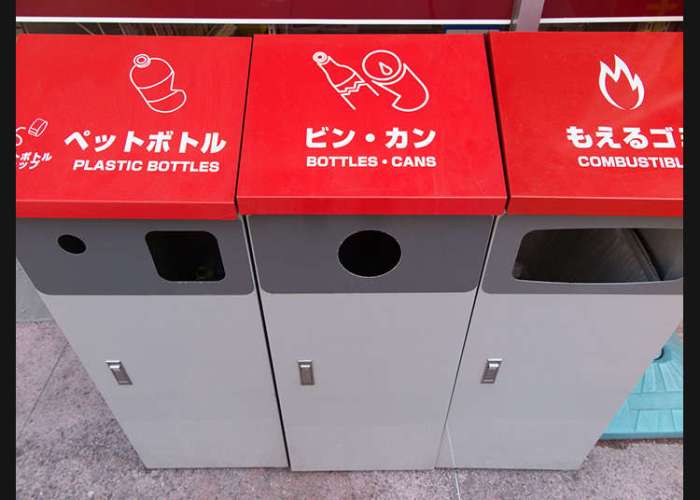
Japanese recycling bins are meticulously designed not just for aesthetics but also for practical efficiency. This focus on functionality streamlines the waste segregation process, minimizing visual clutter and maximizing the collection of recyclables. The design considerations encompass ease of use, capacity, and durability, all working in concert to promote a smooth and efficient recycling system.Japanese municipalities, renowned for their meticulous approach to urban planning, understand that a well-designed recycling system is key to a smoothly functioning community.
These practical considerations translate into designs that are not only aesthetically pleasing but also contribute significantly to the overall success of the recycling program. The effectiveness of the system relies on factors beyond visual appeal, ensuring seamless and intuitive operation for residents.
Ease of Use and Visual Clutter Reduction
The design of Japanese recycling bins prioritizes ease of use. Clear labeling and color-coding are fundamental aspects of this design. Intuitive placement of the bins and accessible openings contribute to a smooth recycling experience. This focus on user-friendliness reduces confusion and minimizes errors, which ultimately improves the efficiency of the entire system. The visual simplicity of the bins also helps maintain a clean and organized aesthetic in public spaces.
Multiple, overlapping bins are less common than a dedicated bin for each type of recyclable material.
Capacity and Durability
Capacity is a critical consideration for recycling bins. Japanese bins often incorporate various sizes, catering to the needs of different areas and user groups. The durability of the bins is equally important. Robust materials are often used to withstand the rigors of outdoor use and the potential for abuse. This ensures long-term functionality and reduces the need for frequent replacements, contributing to sustainability efforts.
Bins are often made of durable plastics or robust metals.
Supporting Effective Waste Segregation
The aesthetic design of these bins directly supports effective waste segregation. The distinctive colors and shapes associated with different recycling categories create clear visual cues for residents. This visual differentiation encourages proper sorting, reducing the need for extensive instructions or complicated systems. The emphasis on clear and distinct visual cues minimizes the risk of contamination and maximizes the recovery of valuable materials.
Comparative Analysis of Japanese Recycling Bin Types
| Bin Type | Capacity | Material | Aesthetic |
|---|---|---|---|
| General Recycling Bin | Medium to large | Durable plastic, potentially metal | Neutral colors (grey, dark blue) with clear labeling; often streamlined design |
| Paper Recycling Bin | Medium | Durable plastic, potentially metal | Light beige or brown, often with a subtle paper-like texture, or images of paper products; clear labeling |
| Plastic Recycling Bin | Medium | Durable plastic, potentially metal | Light blue or green, often with images of plastic bottles or containers; clear labeling |
| Glass Recycling Bin | Medium | Durable plastic, potentially metal | Translucent or light green, often with images of glass bottles or containers; clear labeling |
The table illustrates the common design features of different recycling bin types. The visual cues, such as color and texture, significantly aid in proper segregation. This approach, combining practicality and aesthetics, forms the cornerstone of the Japanese recycling system’s effectiveness.
Visual Harmony and Integration
Japanese recycling bins, more than just functional receptacles, are meticulously designed to complement the urban landscape. Their aesthetic integration is a key component of the broader design philosophy, prioritizing harmony with the surrounding environment and community. This approach extends beyond mere practicality, reflecting a cultural emphasis on aesthetics and sustainability.Japanese urban planners prioritize a sense of visual unity, and recycling bins are treated as integral parts of the overall design.
This thoughtful consideration results in bins that are not jarring or obtrusive, but rather, blend seamlessly into the surrounding architecture and natural elements. This subtle integration fosters a sense of calm and order, enhancing the overall quality of public spaces.
Bin Integration in Various Urban Settings
Japanese recycling bins are strategically positioned to minimize visual disruption. Their design, color schemes, and placement are tailored to the specific context of their surroundings. Careful consideration is given to factors like the architectural style of buildings, the presence of greenery, and the overall atmosphere of the space.
- Parks: In parks, recycling bins often feature natural earth tones or muted greens, mimicking the surrounding foliage. Their shapes and sizes might be subtly sculpted to echo the forms of nearby trees or rocks. These bins might be situated near designated picnic areas or walking paths, minimizing visual impact while maintaining accessibility. Examples include the use of recycled plastic, shaped like small, rounded boulders, in parks to blend seamlessly with the environment.
- Residential Areas: In residential neighborhoods, recycling bins might feature colors that complement the facades of homes, often using muted beiges, grays, or browns. The bins’ designs are usually simple and unassuming, with minimal embellishments. Their placement often takes into account the flow of pedestrian traffic and the natural lines of the neighborhood’s layout. This thoughtful approach aims to avoid interrupting the residential feel.
- Public Spaces: In public spaces such as train stations or shopping centers, recycling bins might incorporate the colors of the building’s signage or branding, furthering their integration with the overall aesthetic. The placement of these bins would prioritize accessibility and easy identification. This visual consistency enhances the brand identity of the space while maintaining clear recycling pathways.
Visual Characteristics Across Contexts
The visual characteristics of recycling bins are context-dependent, reflecting the specific aesthetic preferences and needs of each location.
| Location | Bin Type | Color Scheme | Integration Method |
|---|---|---|---|
| Parks | Sculptural, rounded forms | Earthy tones (greens, browns, beiges) | Mimicking natural elements (e.g., rocks, foliage) |
| Residential Areas | Simple, box-like structures | Muted tones (grays, beiges, browns) | Matching building facade colors; blending with existing infrastructure |
| Public Spaces | Modern, streamlined designs | Building colors/branding colors | Integrating with architectural elements; maintaining accessibility |
Symbolism and Cultural Significance
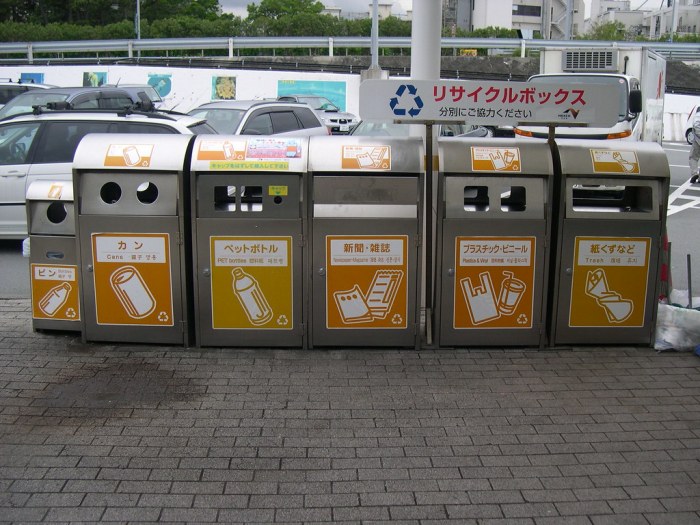
Beyond functionality, Japanese recycling bins often carry symbolic weight, reflecting the nation’s deep-seated environmental consciousness and cultural values. This inherent symbolism is meticulously woven into the design, subtly communicating respect for the natural world and the importance of responsible resource management. The aesthetic choices often transcend simple practicality, embodying a broader cultural narrative.Japanese culture places a high value on harmony with nature (wa).
This concept permeates many aspects of daily life, including environmental stewardship. Recycling, therefore, isn’t just about practicality; it’s a reflection of a broader commitment to sustainability and preserving the environment for future generations. This cultural emphasis is subtly communicated through the design of recycling bins.
Recycling Bin Design and Symbolism
Recycling bins in Japan often incorporate elements that visually reinforce the symbolic meanings associated with sustainability. These design elements can be seen as part of a larger cultural narrative that emphasizes the value of preserving resources. This is further evidenced by the incorporation of cultural aesthetics in their design.
Cultural Elements on Recycling Bins
Japanese recycling bins frequently feature specific imagery and patterns that carry symbolic weight. These elements are not arbitrary but are deeply rooted in Japanese culture, often representing themes of nature, harmony, and respect for the environment.
- Nature-inspired motifs: Commonly found are images of plants, trees, or flowing water. These represent the interconnectedness of human life with the natural world and the importance of preserving nature’s beauty. Bamboo, a symbol of strength and resilience, is another frequent motif. This imagery reflects the profound respect for the natural world that is fundamental to Japanese culture.
- Abstract patterns: Intricate patterns, often based on traditional Japanese aesthetics like wabi-sabi (embracing imperfection and transience), can also be seen. These patterns convey a sense of mindfulness and appreciation for the beauty found in simplicity and natural processes. This can communicate a quiet respect for the natural cycle of resources.
- Colors: The choice of color in recycling bins can also be symbolic. Greens and blues, associated with nature, are common choices. These colors communicate a strong connection to environmental protection and the preservation of natural resources.
- Calligraphy and Ideograms: In some cases, Japanese characters related to recycling or environmental conservation are used in a calligraphic style. This method not only provides clear instructions but also adds a layer of cultural significance to the bin. This reinforces the importance of proper disposal methods.
Environmental Consciousness in Japanese Culture
Environmental consciousness is deeply ingrained in Japanese culture. The concept of mottainai (a sense of wastefulness) significantly influences the nation’s approach to resource management. The Japanese people recognize the finite nature of resources and the importance of responsible consumption and disposal practices. This value system is reflected in the design and usage of recycling bins, which reinforce the idea of preserving resources for future generations.
Modern Interpretations
Japanese recycling bins, long a testament to the nation’s meticulous approach to sustainability, are undergoing a subtle yet significant transformation. Modern design trends are pushing boundaries, incorporating sleek aesthetics and innovative functionalities while remaining rooted in traditional Japanese sensibilities. This evolution is not simply a departure from the past; it’s a harmonious blending of heritage and contemporary innovation, reflecting Japan’s enduring commitment to environmental responsibility.The shift reflects a broader societal trend: a desire for aesthetically pleasing and practical solutions that integrate seamlessly into modern urban landscapes.
This manifests in a more diverse palette of materials and forms, from the use of sustainable composites to innovative sensor-based systems, reflecting a growing emphasis on functionality and environmental consciousness.
Modern Design Trends Influencing Recycling Bins
Modern design trends prioritize minimalist aesthetics, emphasizing clean lines and streamlined forms. Japanese recycling bins are increasingly adopting these principles, featuring smooth surfaces and geometric shapes. Sustainability is also paramount, leading to a rise in the use of recycled materials in bin production. This echoes the nation’s long-standing commitment to circularity and environmental stewardship. Furthermore, the integration of advanced technologies, like sensors that detect bin fullness, is becoming more common, enhancing efficiency and resource management.
Contemporary vs. Traditional Designs
Contemporary Japanese recycling bins, while retaining the core principles of functionality and visual harmony, often diverge from traditional designs in their materials and forms. Traditional designs often emphasized natural materials like wood or bamboo, aligning with the aesthetic of natural harmony. Modern designs, however, explore a wider range of materials, including sleek, contemporary plastics and metal alloys, often incorporating subtle color palettes that blend with urban environments.
These contemporary options prioritize visual integration with existing urban structures.
A Modern Recycling Bin Concept
This concept proposes a recycling bin that integrates seamlessly into a modern urban environment. The bin would feature a sleek, aerodynamic form, minimizing visual impact while maximizing space efficiency. Its surface would be composed of a durable, yet lightweight, composite material derived from recycled plastic. The bin’s color would be a muted, earth-toned grey, designed to blend with various architectural styles.
A translucent panel, strategically placed, would provide an unobstructed view of the internal capacity, allowing users to easily assess the filling level. Furthermore, integrated sensors would automatically signal the need for emptying, optimizing resource allocation and minimizing waste collection time.
Material and Form Changes
The materials used in Japanese recycling bins are expected to evolve significantly. The shift towards more sustainable and innovative materials is evident. Recycled plastics, bio-plastics, and sustainable metals will likely replace traditional materials, showcasing Japan’s commitment to reducing environmental impact. Form follows function, meaning the shape and structure of the bins will adapt to maximize space utilization in urban environments.
Compact designs, modular components, and innovative opening mechanisms will likely emerge as key design features. For example, modular bins could be stacked to maximize space in densely populated areas, while clever hinges and latches could enhance functionality and safety. The design will also incorporate features to prevent contamination, such as compartmentalization for different waste streams.
International Comparison
Japanese recycling bin aesthetics, informed by a deep-seated cultural emphasis on environmental responsibility and visual harmony, stand in contrast to approaches in other nations. This difference reflects varying cultural priorities and practical considerations, resulting in distinct design philosophies. While some elements of functionality and material selection overlap, the overall aesthetic and symbolic intent often diverge significantly.A key aspect of understanding these differences lies in recognizing how cultural context shapes the perception and integration of recycling bins into the urban landscape.
Japanese aesthetics, with their focus on subtle beauty and minimal disruption, often translate to bins that blend seamlessly with the surrounding environment. Conversely, other countries may prioritize bolder designs or practical considerations over visual harmony, reflecting differing societal values and priorities.
Comparing Recycling Bin Aesthetics
A comparison of recycling bin aesthetics across Japan, the USA, and Europe reveals significant variations. These variations are not merely stylistic; they reflect underlying cultural values and priorities.
| Country | Aesthetic | Material | Design |
|---|---|---|---|
| Japan | Subtle, minimalist, often integrated with surrounding architecture; emphasizes visual harmony and blending with nature. Colors tend to be muted and natural tones. | Recycled materials, stainless steel, or high-quality, weather-resistant polymers. | Streamlined, often with rounded edges; may feature subtle design elements referencing Japanese aesthetics, such as origami or nature motifs. |
| USA | More functional and practical, with a focus on clear identification of different recycling types. Bright, contrasting colors are often used to enhance visibility. | Steel, durable plastic, or sometimes repurposed materials; cost-effectiveness often a primary consideration. | Simple, rectangular shapes; clear labeling for different waste types is paramount. Design often prioritizes durability and longevity. |
| Europe | A mix of styles, often influenced by local regulations and environmental initiatives. Some areas favor a more modern and minimalist aesthetic, while others maintain traditional designs. | Durable plastic, steel, or combinations of materials; design frequently prioritizes recycling functionality and waste management standards. | Varying designs, from sleek and modern to more traditional shapes; often include integrated features to facilitate sorting and reduce contamination. |
Design Philosophies
The differences in design philosophies reflect varied cultural approaches to environmental responsibility. In Japan, the emphasis on harmony with nature and minimizing visual impact leads to integrated designs. In contrast, the USA often prioritizes clear identification of waste types for efficient sorting. Europe, with its complex regulations and initiatives, presents a more diverse range of designs, incorporating both practicality and aesthetics.
Cultural Influences
Cultural context plays a critical role in shaping the aesthetics of recycling bins. In Japan, the emphasis on respecting the natural environment is reflected in designs that blend seamlessly with the surrounding landscape. In the USA, a focus on practical efficiency often results in bins with bold colors and clear labeling. European designs often balance functionality with adherence to environmental standards, with varied approaches to visual aesthetics.
This diverse approach demonstrates the significant influence of cultural values on environmental design choices.
Accessibility and Inclusivity
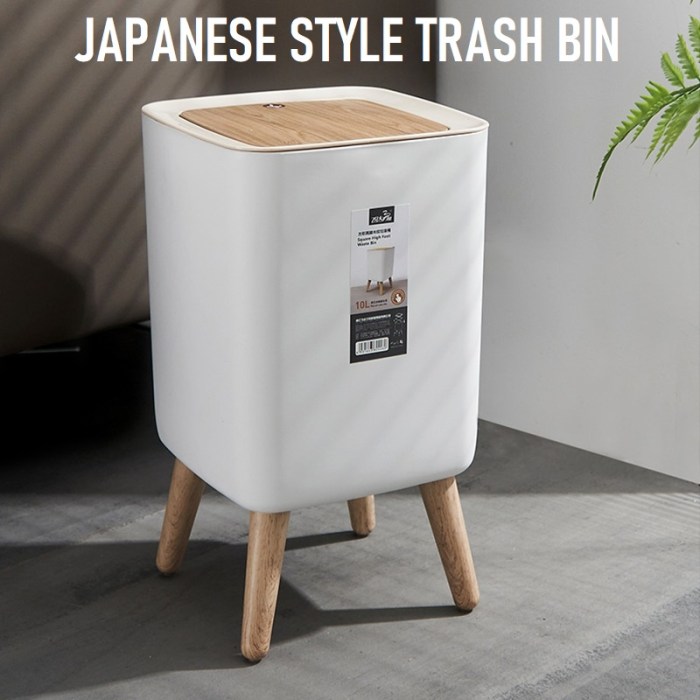
Japanese recycling initiatives, deeply ingrained in the nation’s environmental consciousness, are increasingly recognizing the need for inclusive designs. This extends beyond aesthetics to encompass the practicalities of diverse user needs and preferences, reflecting a growing societal awareness of universal design principles. The challenge lies in marrying traditional Japanese design sensibilities with modern ergonomic considerations and a broader understanding of accessibility for all.Ensuring seamless participation in recycling programs requires careful consideration of user needs, from the elderly and individuals with disabilities to families with young children.
This necessitates a holistic approach that prioritizes both the physical and cognitive aspects of the recycling process. The design must be intuitive and user-friendly, ensuring that the system is not a barrier but a facilitator for environmental stewardship.
Ergonomic Considerations for Recycling Bin Design
Ergonomic design principles are critical for ensuring usability for all users. Japanese recycling bin design should consider factors like height, weight, and opening mechanisms. Bins should be appropriately sized for common recycling materials, accommodating various container sizes. The optimal height and placement of bins, especially for those with limited mobility, need careful evaluation. A low profile and easy-to-grip handles would significantly improve accessibility.
Additionally, bins should be lightweight and easy to maneuver. The use of tactile indicators or color-coding can aid users with visual impairments.
Color and Form for Inclusivity
Color and form play a significant role in promoting inclusivity in recycling bin design. In Japan, the traditional use of color in signage and design elements can be leveraged for clear communication. Color-coding, a common element in recycling programs globally, can be employed to differentiate different materials, but the color scheme should be thoughtfully selected to maximize visual clarity for individuals with color vision deficiencies.
Geometric shapes and easily discernible patterns can assist users with cognitive impairments or visual processing difficulties. For example, clear visual cues, like bold graphic patterns on recycling bins, could help users identify the correct bin quickly and intuitively. The overall aesthetic should be designed with a mindful approach, ensuring that the design choices are not only visually appealing but also contribute to the inclusivity of the system.
Accessibility for Diverse Needs
Recycling bin design must accommodate diverse needs and preferences, encompassing considerations for different ages, abilities, and physical conditions. This includes designing for users with limited mobility or visual impairments. The bins should be easily accessible, and the materials and design should not pose a hazard to the users. For instance, bins with large openings and easy-to-grip handles would be more accessible for those with reduced mobility.
This inclusivity extends to design features that accommodate families with children, such as bins that are sturdy enough to resist tipping or those with child-proof locking mechanisms. Clear signage and visual cues are vital in ensuring that users can readily understand the recycling guidelines and procedures.
Environmental Impact
Japanese recycling bins, beyond their aesthetic appeal, play a crucial role in fostering environmental consciousness. Their thoughtful design transcends mere functionality, subtly encouraging responsible waste management practices within communities. The integration of aesthetic principles with practical considerations contributes to a holistic approach to sustainability, promoting a positive cycle of environmental stewardship.
Promoting Environmental Awareness
The meticulous design of Japanese recycling bins, often incorporating natural motifs or minimalist forms, subtly conveys the importance of environmental responsibility. Their harmonious integration into the urban landscape encourages citizens to view waste disposal not as a chore, but as a meaningful act of contributing to a cleaner environment. This subtle nudge towards mindful behavior is a significant factor in shaping responsible habits.
Inspiring Environmental Responsibility
The visually appealing design of Japanese recycling bins encourages a sense of pride in maintaining a clean and organized environment. The design’s clarity and simplicity make it easy for people to understand the purpose of the bins and the importance of proper waste segregation. This clear and uncluttered aesthetic makes it easier for individuals to internalize the responsibility of environmental stewardship.
Reducing Visual Pollution and Promoting Cleanliness
The aesthetically pleasing design of Japanese recycling bins contributes to a reduction in visual pollution. By incorporating elements of harmony and integration into the urban fabric, these bins do not detract from the surrounding environment but enhance its visual appeal. This positive aesthetic effect creates a cleaner and more visually appealing environment, reinforcing the value of cleanliness and order.
A well-designed recycling bin, for example, can seamlessly blend into a park’s landscape without appearing intrusive.
Scenario of Successful Implementation
Imagine a bustling urban park in a Japanese city. Recycling bins, designed with a natural wood grain finish and integrated seamlessly into the park’s landscaping, are strategically placed throughout the area. The bins are easily accessible and feature clear signage, promoting the segregation of various waste types. The bins’ sleek design and natural aesthetic blend seamlessly with the park’s surroundings, creating a visually appealing and functional space.
This integration of design and function encourages responsible waste disposal, reducing litter and enhancing the overall aesthetic of the park. This approach, by combining aesthetic appeal with practical functionality, effectively reduces visual pollution and promotes a sense of cleanliness and shared responsibility.
Final Summary
In conclusion, Japanese recycling bins stand as a compelling example of how aesthetics and practicality can coexist seamlessly. Their design, deeply rooted in cultural principles like wabi-sabi and harmony, demonstrates a commitment to both environmental responsibility and visual appeal. By integrating seamlessly into the urban landscape and promoting effective waste segregation, these bins provide a powerful model for sustainable practices worldwide.
Ultimately, the Japanese approach underscores the potential for design to not only solve practical problems but also to enhance our relationship with the environment.
